Propulsion is where a UAV design succeeds or fails. The right powertrain sets your endurance, payload, and reliability — and the choice between electric and combustion power is driven entirely by the mission and airframe class.
Electric vs combustion
- Electric powertrain — best for FPV, multirotors, and smaller VTOL: instant response, low signature, and simple integration via brushless motors and ESCs.
- Combustion (gasoline) engines — best for heavy-lift and long-endurance platforms where fuel energy density delivers hours of flight and heavier payloads.
What to match
1. Power to weight — size the motor/engine to all-up weight plus payload and reserve.
2. Endurance target — battery chemistry and capacity for electric; fuel load and consumption for combustion.
3. Integration — ESC current rating and flight-controller compatibility for electric; mounting, ignition, and cooling for engines.
FlySpark propulsion & powertrain
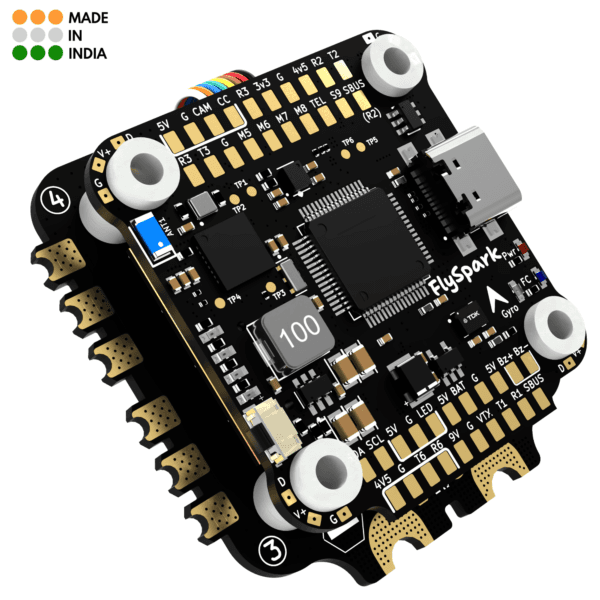
- BLS-60A 4-in-1 ESC — compact brushless power for FPV and small multirotor stacks
- DLE-430 twin-cylinder UAV engine — high-output gasoline power for large UAVs
- 3W-170xi B2 twin-cylinder engine — proven power for heavy-lift and endurance airframes
Pairing with platforms
Combustion engines pair with the VTOL & heavy-lift platforms covered in our VTOL buyers guide; electric powertrain suits tactical FPV systems.