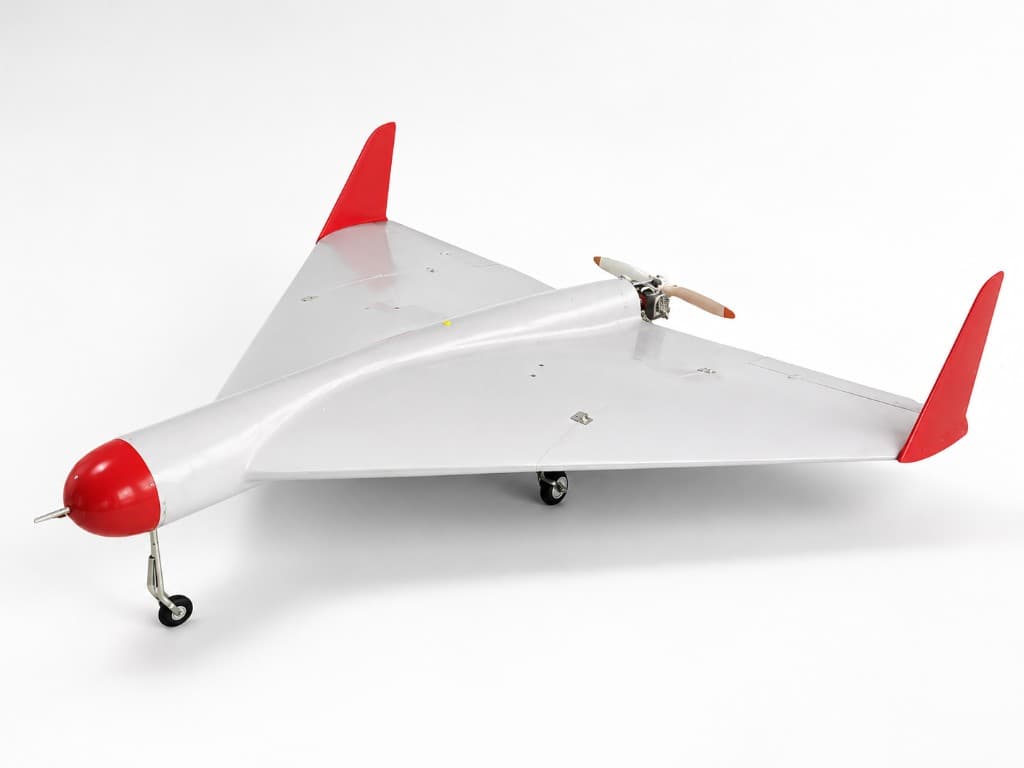
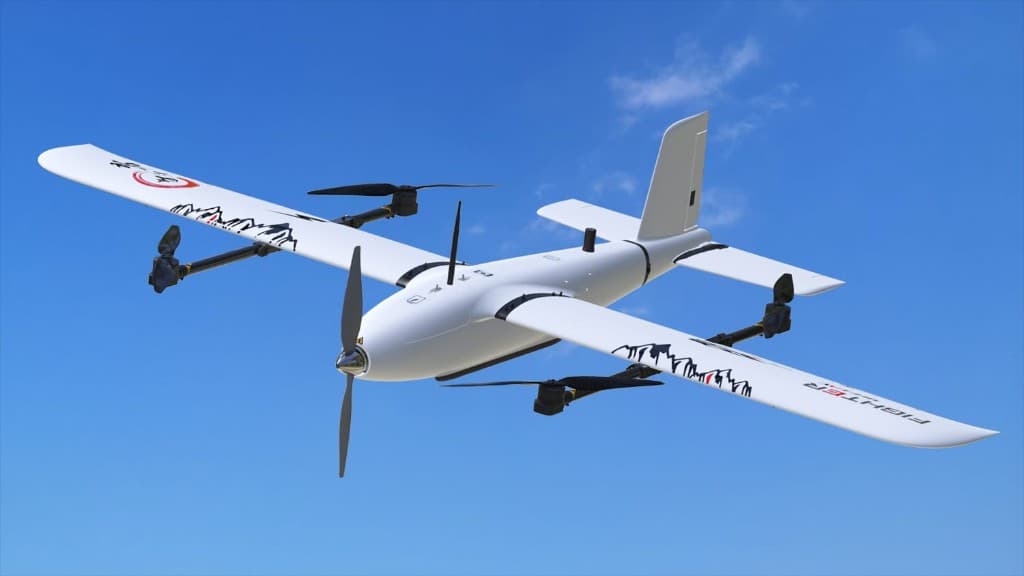
Fixed-wing VTOL platforms combine vertical take-off and landing with the endurance and range of a fixed wing — no runway, no catapult, and hours of flight time. For ISR, mapping, border surveillance, and cargo, they have become the default choice where a multirotor's flight time is too short and a runway isn't available.
VTOL vs multirotor
- Endurance and range — VTOL platforms fly for hours and cover long linear routes (borders, pipelines, coastlines); multirotors are measured in minutes.
- Runway-free — vertical launch and recovery means operation from confined or austere sites.
- Payload efficiency — fixed-wing lift carries EO/IR, mapping, or cargo payloads far more efficiently in cruise.
How to choose
1. Endurance target — match required time-on-station to platform class; options here range from ~2 hours to 6+ hours.
2. Payload and integration — confirm EO/IR, survey camera, or cargo payload weight and power.
3. Range and datalink — line-of-sight vs extended range; plan the comms architecture for the mission area.
4. Launch/recovery footprint — confirm the site can support vertical operations.
FlySpark VTOL & heavy-lift platforms
- SkyEye SVH360 hybrid VTOL — ~6-hour endurance for long ISR and survey missions
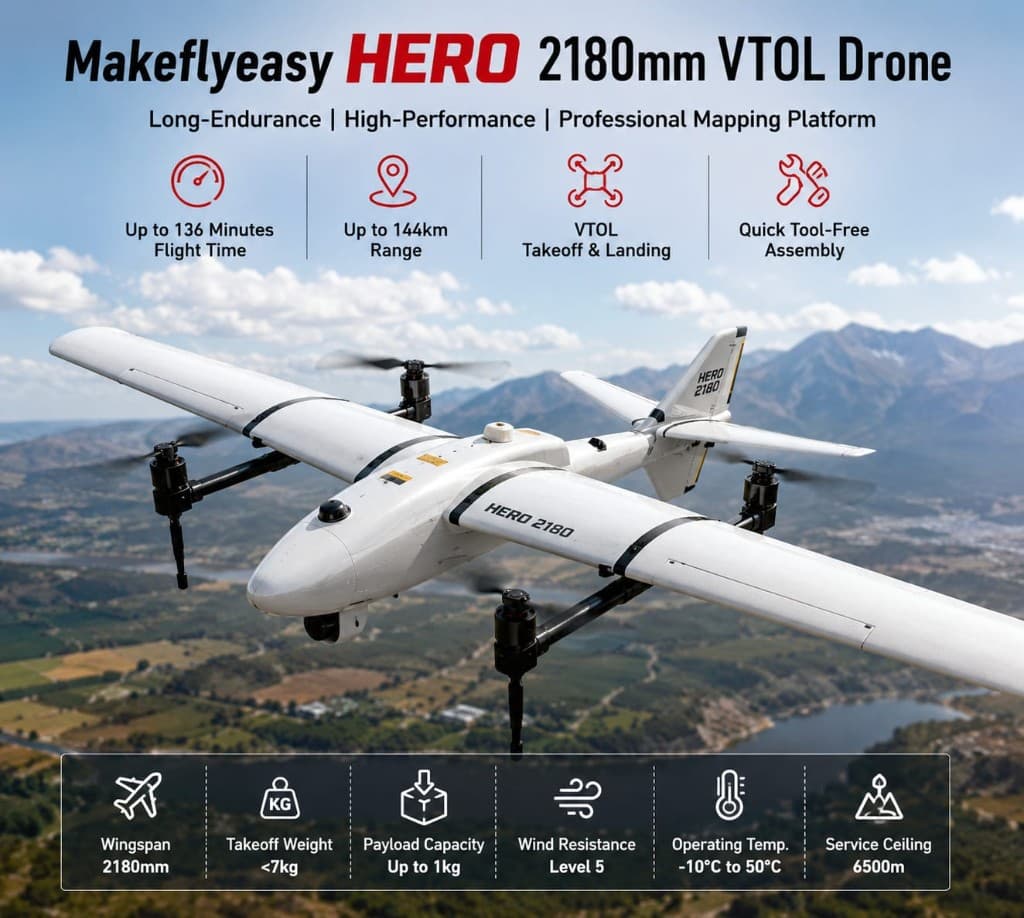
- MakeFlyEasy Hero 2180 VTOL mapping platform — mapping and survey with long flight time
- SkyEye S600 heavy-lift VTOL — heavy payload and cargo
Where VTOL fits
Border and coastal surveillance, wide-area mapping, infrastructure inspection, and resupply are all strong fits. Browse the full range on the VTOL & heavy-lift category, or discuss a mission profile with the export desk.