Romania sits on NATO's most exposed south-eastern edge, directly across the Danube from Ukraine's river ports. Since 2023, fragments of Russian attack drones striking those ports have repeatedly fallen on Romanian soil around Danube Delta villages such as Plauru and Ceatalchioi, prompting airspace alerts, fighter patrols, and an accelerated push on air defense and counter-UAS. For border, port, and critical-infrastructure operators, the practical foundation is layered detection.
The regulatory and operational reality
- NATO frontier posture — Romania hosts significant allied air-policing and air-defense infrastructure, so counter-UAS procurement leans toward interoperable, well-documented systems.
- EU dual-use controls — imports fall under Regulation (EU) 2021/821; plan for dual-use classification and end-use documentation from the outset.
- Spectrum authority — active RF jamming is regulated nationally (ANCOM) and effectively reserved for authorized state use, which is why civilian and CNI programs are built around passive detection first.
A detection-led architecture for the Danube and coast
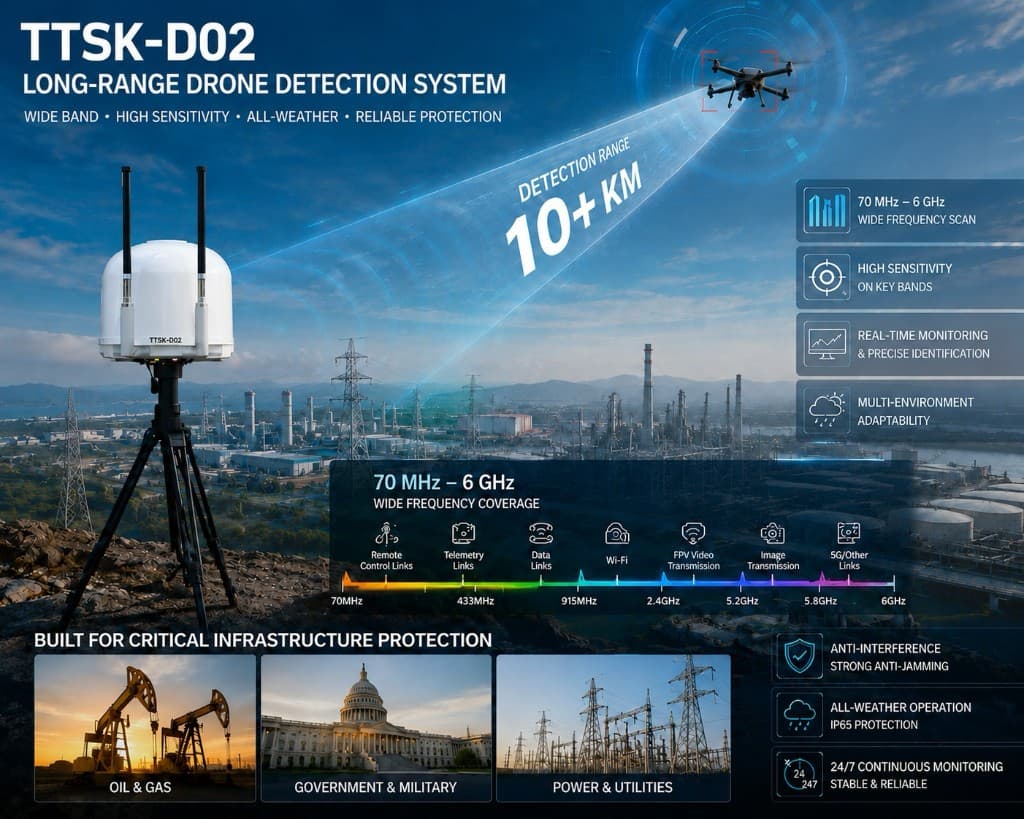
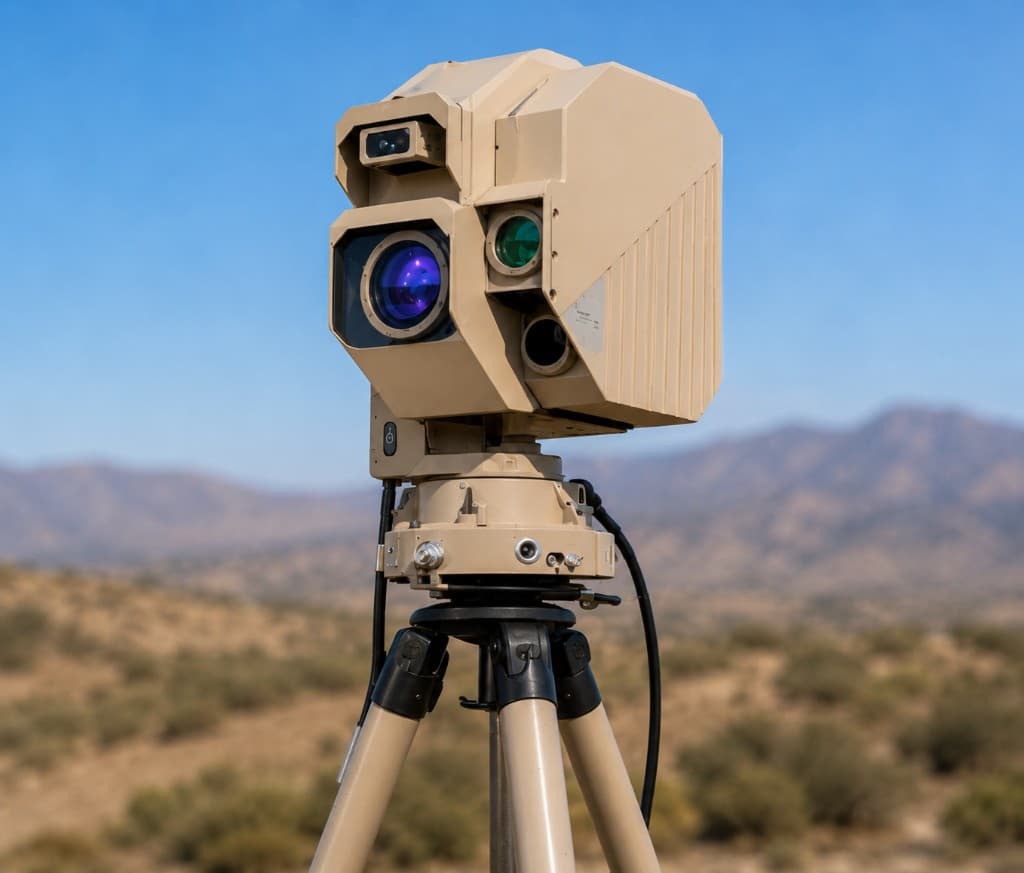
1. Passive RF detection first — a portable drone detector for mobile border and river patrols, and a fixed 70 MHz–6 GHz system for Danube ports, Black Sea coastal sites, and energy infrastructure. Neither transmits, so both avoid spectrum-authorization hurdles.
2. Track and classify low-altitude activity — the debris incidents were fundamentally a low-altitude airspace-awareness problem along a long riverine border; detection and localization come before any mitigation decision.
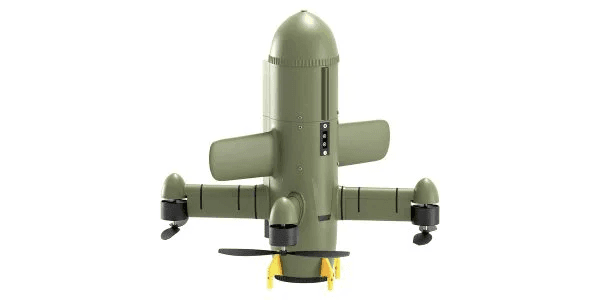
3. Authorized mitigation — layered escalation such as the Guardian-X close-range interceptor and the HD-2 portable anti-drone system, only where the operating authority holds the relevant approvals.
The fiber-optic FPV dimension
Because Romania borders the most intense fiber-optic FPV operations in the world, buyers evaluating contested-airspace communications should understand jam-proof links: a G.657.A2 fiber-optic spool removes the RF link an adversary can jam. The fiber-optic FPV anti-jam guide covers the technique in detail.
Why detection leads
Passive detection delivers immediate, legally straightforward situational awareness across a long Danube and Black Sea frontier, while keeping mitigation options open for authorized end users. See the Counter-UAS buyers guide for the layered model, the Poland border-defense guide for neighbouring NATO-frontier context, and the EU dual-use overview for the paperwork.