A single confirmed drone near a runway can halt operations, divert flights, and cost an airport millions per hour. High-profile shutdowns have made counter-drone capability a standard part of airport security planning worldwide — but airports operate in dense, regulated airspace, so the system design matters as much as the hardware.
Why airports are a special case
- Zero tolerance for false positives — a shutdown triggered by a mis-classified target is almost as damaging as a real incursion.
- Spectrum constraints — active jamming interferes with aviation systems and is heavily restricted, so airports lead with passive detection.
- Layered zones — awareness must extend well beyond the fence line to give controllers time to react.
A layered airport architecture
1. Passive RF detection — fixed 70 MHz–6 GHz detection around the perimeter and approach corridors, locating both the drone and its operator without transmitting.
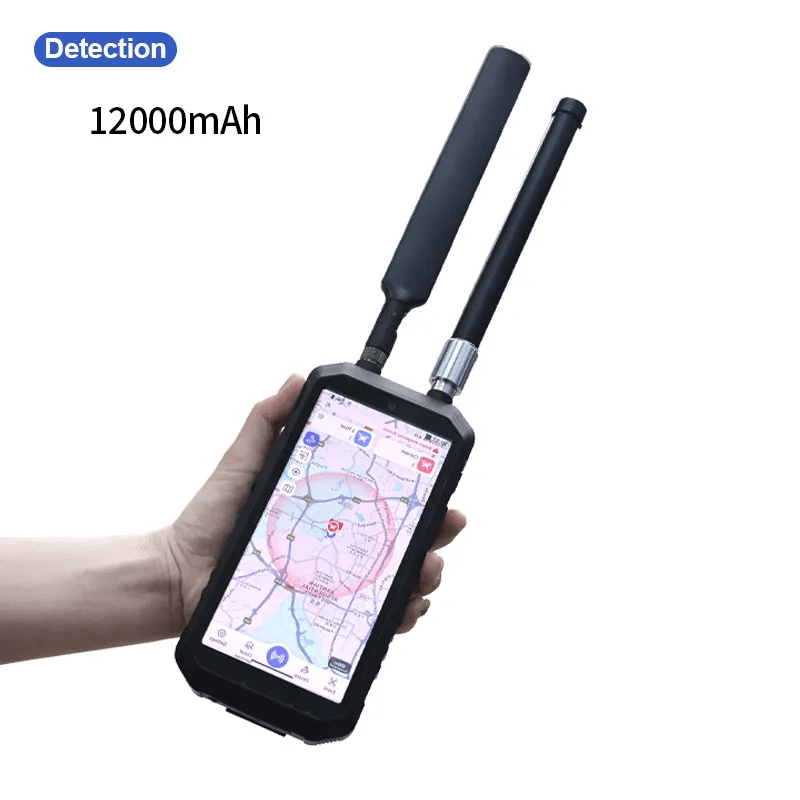
2. Mobile augmentation — portable detectors for patrols, temporary events, and gap coverage.
3. Tracking and classification — sustained tracks and operator location turn raw detections into actionable decisions for controllers and police.
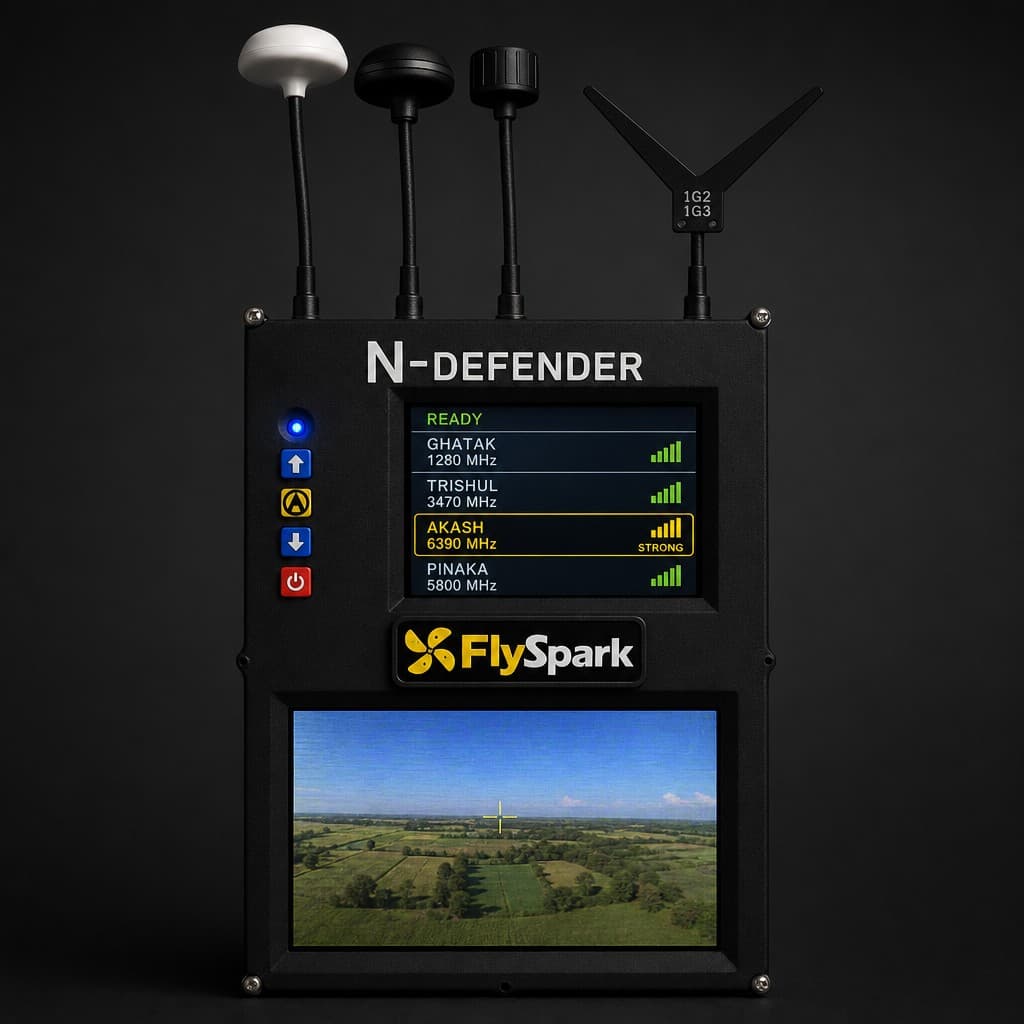
4. Authorized mitigation — layered options such as the HD-2 portable system with detection, tracking and intercept, used only by authorities holding the required approvals.
Getting procurement right
Start passive, prove detection performance against your actual airspace, then decide on mitigation with your regulator. For the full layered model and band-selection detail, see the Counter-UAS buyers guide; regional procurement notes are covered on the Europe, United Kingdom, and United States market pages.