South Korea moved counter-UAS to the top of its air-defense agenda after December 2022, when several North Korean drones crossed the border and one reached the northern edge of Seoul's airspace — and the response exposed a gap in short-range, low-altitude detection and interception. The result was a fast-tracked acquisition push and a dedicated Drone Operations Command stood up in 2023. For most Korean buyers outside the military's kinetic programs, the practical entry point is layered detection.
The procurement and regulatory reality
- DAPA-led acquisition — the Defense Acquisition Program Administration governs defense procurement, with a strong preference for documented, certifiable systems and local industrial participation on larger programs.
- Spectrum control — RF jamming is tightly restricted and effectively limited to authorized government and military use, so civilian, airport, and critical-infrastructure programs are built around passive detection first.
- Dual-use documentation — imports need dual-use classification and end-user certification; plan the paperwork early for anything in the C-UAS category.
A detection-led architecture
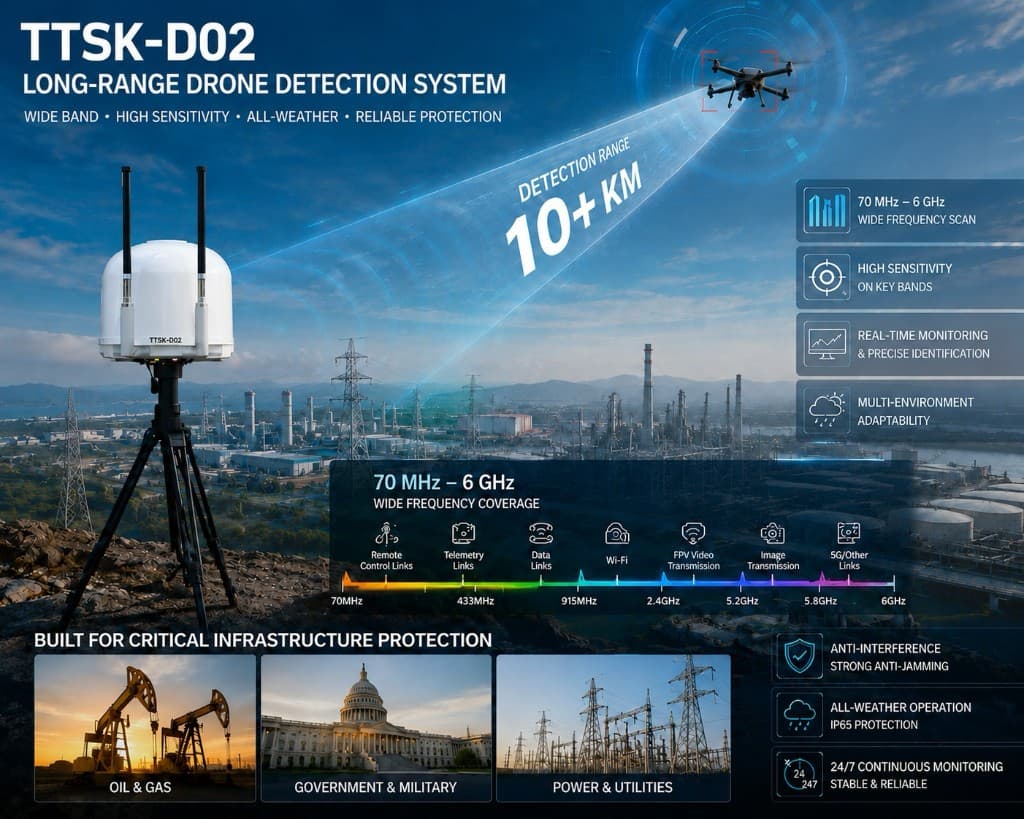
1. Passive RF detection first — a portable drone detector for mobile teams and border patrols, and a fixed 70 MHz–6 GHz system for airports, ports, and CNI perimeters. Neither transmits, so both sidestep spectrum-authorization hurdles.
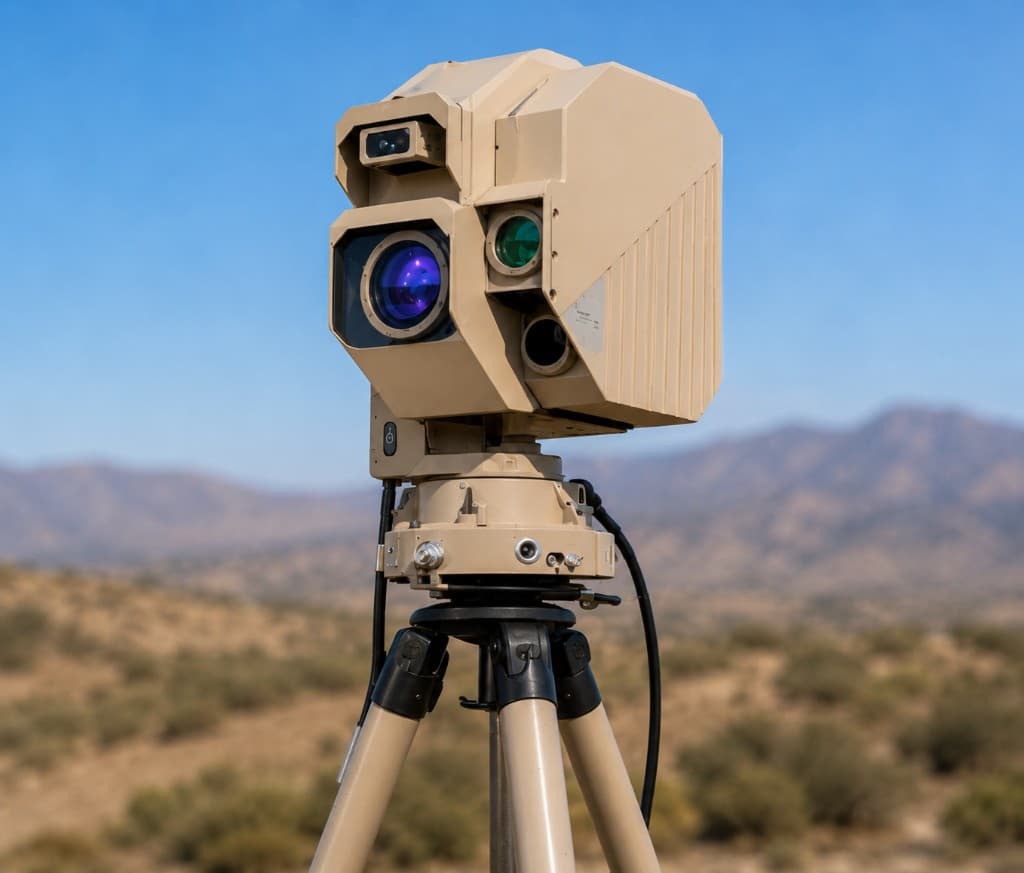
2. Track, classify, and cue — build low-altitude airspace awareness and operator localization before any mitigation decision, which is exactly the gap the 2022 incursions revealed.
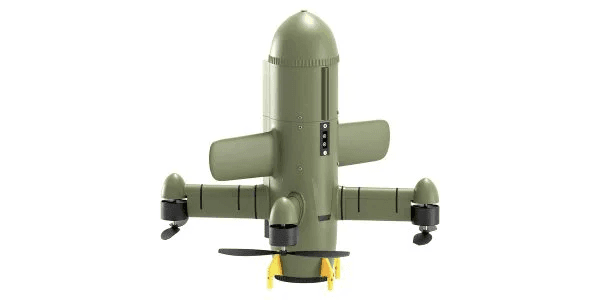
3. Authorized mitigation — layered escalation such as the Guardian-X close-range interceptor, the high-speed FPV interceptor, and the HD-2 portable anti-drone system — only where the operating authority holds the relevant approvals.
Why detection leads in Korea
The Seoul-area incursions were a detection-and-tracking failure before they were an interception failure. Passive RF detection delivers immediate, legally straightforward coverage for dense urban airspace, Incheon-scale aviation, and border and coastal sites, while keeping interception options open for cleared military end users. The Counter-UAS buyers guide covers the layered model in depth, and the Japan drone security guide offers useful regional context on detection-first APAC deployments.